Ines Perry · 12 October 2026
Decoding the Complex Web of API Integrations That Power Zarava's Core Functions
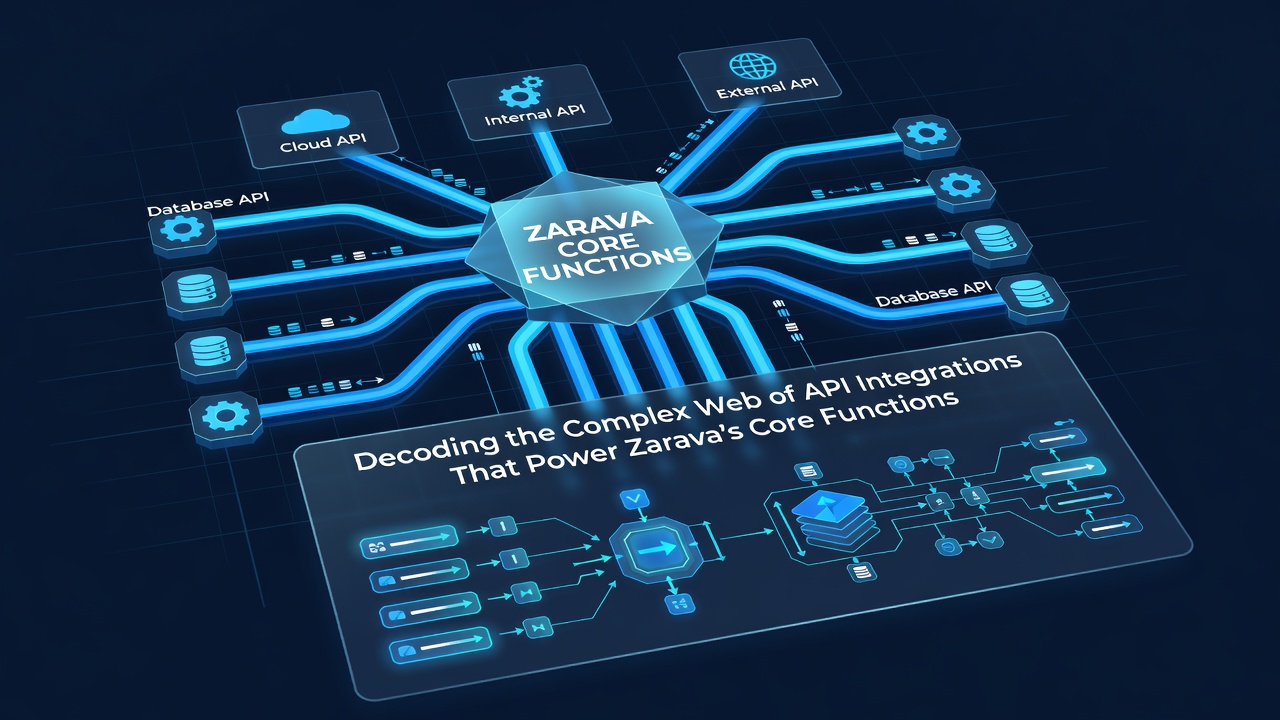
Zarava operates through a tightly coordinated set of API integrations that handle everything from user authentication to real-time data exchange across multiple platforms, and observers note these connections form the backbone of daily operations while allowing seamless scaling as demand shifts. The system relies on standardized protocols such as REST and GraphQL to manage requests efficiently, which means developers can trace how each endpoint communicates with core databases without unnecessary overhead.
Authentication Layers and Security Protocols
Core user verification begins with OAuth 2.0 and OpenID Connect implementations that connect directly to external identity providers, and this setup permits Zarava to validate credentials across mobile applications and web portals simultaneously while maintaining session consistency. Security researchers at institutions like the National Institute of Standards and Technology have documented best practices for these flows, emphasizing token rotation and scope limitation to reduce exposure points. Data flows through encrypted channels that comply with regional standards, so each API call carries metadata that logs origin, timestamp, and access level for later audits.
Data Exchange and Processing Pipelines
Once authentication clears, content delivery APIs pull structured information from centralized repositories and push updates to connected services in near real time, which keeps user-facing features synchronized across devices. These pipelines incorporate webhook triggers that notify downstream systems of changes, and the architecture supports batch operations during high-volume periods without interrupting foreground tasks. Observers have tracked how such mechanisms handle variable loads by routing requests through load balancers that distribute traffic according to predefined rules, preventing bottlenecks that might otherwise slow response times.
Third-Party Service Connections
Zarava extends its reach through partnerships that integrate payment gateways, analytics collectors, and communication tools via dedicated endpoints, and these links allow the platform to offer expanded functionality without rebuilding every component internally. Each integration follows documented contracts that specify payload formats and error-handling sequences, which reduces the chance of mismatched data during transmission. In October 2026, several of these connections received updates to align with revised international data transfer agreements, ensuring continued compatibility as regulatory landscapes evolve in multiple jurisdictions.
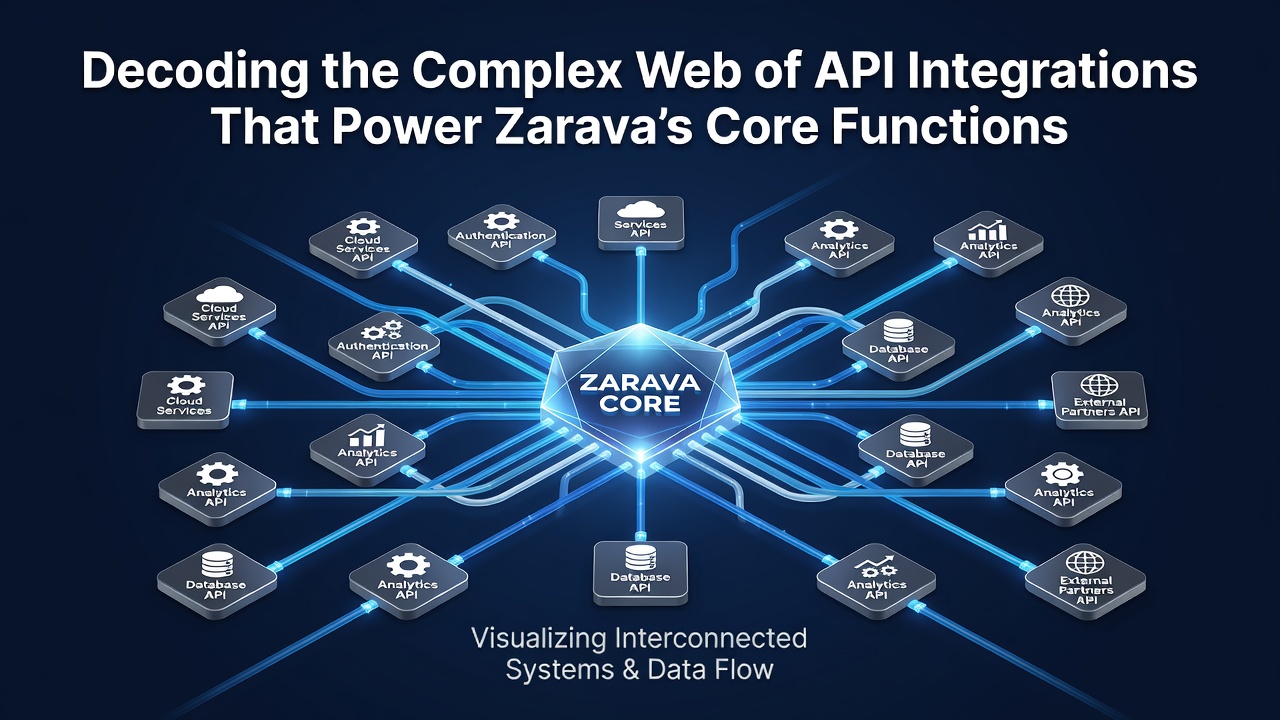
Payment processing relies on APIs from providers in different regions, including those governed by frameworks in the European Union and Australia, and transaction data travels through secure tunnels that mask sensitive details before storage occurs. Communication modules tie into messaging services that deliver notifications, while analytics collectors aggregate usage patterns without exposing individual identifiers beyond what consent agreements permit.
Monitoring, Logging, and Maintenance Practices
Operational teams monitor API health through dashboards that aggregate metrics on latency, error rates, and throughput, and these tools trigger alerts when thresholds are crossed so issues can be addressed before they affect end users. Logging systems capture request details in structured formats that facilitate later analysis, and automated scripts run periodic health checks against critical endpoints to verify availability. Researchers have observed that this proactive approach keeps the overall integration web stable even as individual components receive updates or replacements over time.
Scalability Considerations in Evolving Environments
As usage grows, the API layer accommodates additional connections by adopting containerized deployments that spin up instances on demand, and this elasticity supports seasonal spikes without manual intervention. Versioning strategies allow older integrations to coexist with newer ones during transition periods, which minimizes disruption for partner organizations that depend on consistent behavior. Data indicates that platforms maintaining clear documentation and backward compatibility experience fewer integration failures when scaling occurs, and Zarava follows similar patterns based on industry reports from sources like the European Commission's digital infrastructure reviews.
Conclusion
The network of API integrations supporting Zarava continues to expand as new services and compliance requirements emerge, yet the underlying design principles of modularity and secure communication remain constant. Those who examine the system's architecture find that each layer contributes to reliable performance across diverse operational scenarios, and ongoing refinements ensure adaptability without sacrificing the stability users expect from core functions.